How Overflowing Gutters Erode Your Louisville Yard and What to Do
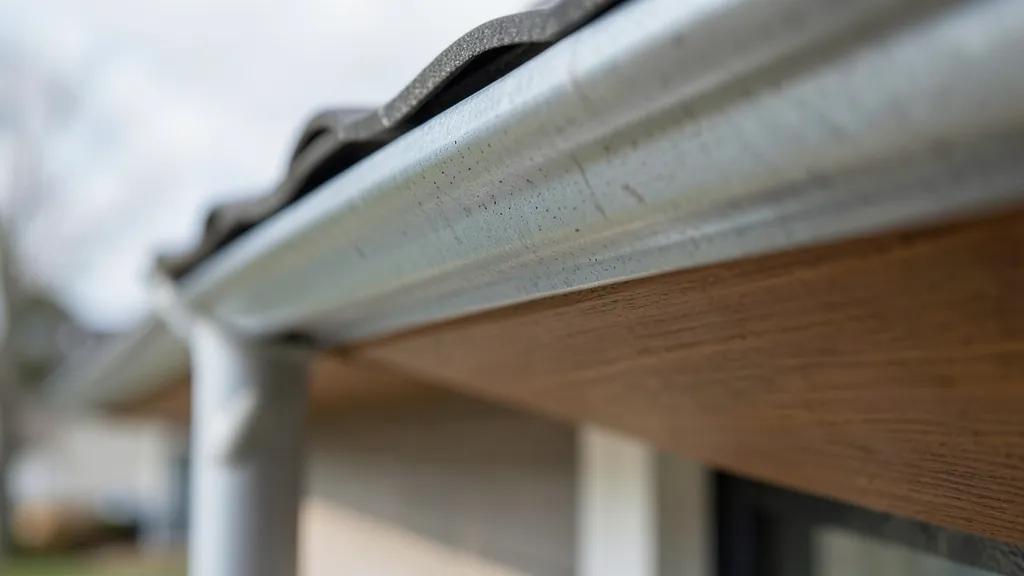
Overflowing gutters don’t just look bad—they carve trenches in your yard, wash away topsoil, and turn your landscaping into a muddy mess. We see it every spring and fall in neighborhoods like St. Matthews and Jeffersontown, where heavy rains and falling leaves push systems past their limit. The fix starts with understanding why it happens and how to stop it for good.
How Gutters Cause Yard Erosion
When gutters overflow, water spills over the edge in concentrated sheets. Instead of dispersing gently, it hits the ground with force, scouring soil and creating rills—small channels that grow into gullies over time.
In Louisville’s clay-heavy soil, these rills deepen fast. Water pools in low spots, drowning plants and leaving bare, compacted patches that resist regrowth.
The Hidden Damage Beneath the Surface
Erosion isn’t just unsightly. It undermines foundations, exposes tree roots, and clogs downspouts with sediment. Over time, poor drainage can even shift patios, walkways, and driveways in areas like Prospect and Middletown.
Worse, the constant moisture attracts pests and accelerates wood rot in fascia and decking. What starts as a gutter issue can spiral into costly repairs.
Water pooling near your home’s base can crack foundations and lead to basement leaks. Always direct downspouts at least 5–10 feet away.
Why Louisville Gutters Overflow So Often
Clogged gutters are the top culprit. Leaves from mature trees in Shively or Jeffersontown, seed pods, and even roof grit block water flow. Without regular cleaning, debris builds up at the lowest points.
Improper pitch is another common issue. Gutters should slope ¼ inch per 10 feet toward downspouts. If they’re level or sagging, water pools and eventually spills over.
Undersized or too-few downspouts can’t handle Kentucky’s heavy downpours. A typical home needs one downspout per 20–30 feet of gutter, depending on roof size and local rainfall.
Clogged vs. Improperly Sloped Gutters: Key Differences
Both cause overflow, but the fixes differ. Clogged gutters need cleaning and possibly gutter guards. Poor slope requires adjustment or rehanging.
| Issue | Signs | Solution |
|---|---|---|
| Clogged Gutters | Water spills at seams or near downspouts; visible debris in troughs | Professional cleaning; consider gutter guards |
| Improper Slope | Water pools in sections; overflows at low points, not near downspouts | Resealing and resloping by a pro |
| Both | Overflow everywhere; standing water in gutters and downspouts | Cleaning + slope correction |
Downspout Problems That Worsen Erosion
Even clean gutters fail if downspouts dump water too close to the house. In Louisville, we often see downspouts ending at the foundation or over a flower bed—inevitable erosion.
Splash blocks and extenders help, but they’re not enough on steep lots. For severe runoff, we recommend buried drain pipes or a French drain to channel water safely away.
Add a 4–6 foot downspout extension to direct water into the yard or a drain system. Secure it to prevent tripping hazards.
Seasonal Triggers in the Louisville Area
Fall is the worst for clogs. Maple, oak, and sycamore trees shed leaves that mat down in gutters, trapping moisture and accelerating rust. Ice dams in winter can also block flow, forcing water over the edges.
Spring brings pollen and seed pods, while summer storms test your system’s capacity. A twice-yearly cleaning schedule—spring and fall—keeps most homes in the clear.
Long-Term Solutions to Stop Erosion for Good
Gutter guards reduce debris buildup but aren’t maintenance-free. Micro-mesh screens work best for fine debris like pine needles, while reverse-curve systems handle heavier leaves.
For chronic overflow, consider upsizing gutters to 6-inch troughs or adding extra downspouts. In hilly neighborhoods like Prospect, we often install larger systems to handle the volume.
Landscaping adjustments help too. Swales, berms, and rain gardens slow and absorb runoff. Native plants with deep roots, like switchgrass or coneflowers, stabilize soil better than turf.
Erosion-Proofing Checklist
- Clean gutters and downspouts twice yearly
- Inspect gutter pitch and rehang if sagging
- Install splash blocks or downspout extenders
- Add gutter guards if trees overhang the roof
- Grade soil away from the foundation
- Consider a French drain for heavy runoff areas
When to Call a Pro for Gutter and Drainage Work
If your gutters overflow despite regular cleaning, the issue might be structural. Our team checks for improper slope, undersized troughs, or hidden clogs in downspouts.
For severe erosion, a combined approach—gutter repair, drainage solutions, and landscaping—often works best. We coordinate with local landscapers in areas like St. Matthews to restore damaged yards.
How to Inspect Your Gutters for Erosion Risks
A 10-minute check can reveal problems before they damage your yard.
- 1Check for Overflow Marks
Look for water stains or erosion directly below the gutters. These indicate where water is spilling over.
- 2Test the Slope
Use a level or observe water flow during rain. Gutters should drain toward downspouts without pooling.
- 3Inspect Downspout Discharge
Ensure downspouts direct water at least 5 feet from the foundation. Use a hose to test flow if it’s dry.
- 4Look for Clogs
Check for debris at the top of downspouts or in gutter troughs. Tap the gutters—dull thuds suggest standing water inside.
- 5Assess the Yard Below
Note bare spots, rills, or standing water. These are signs erosion has already started.
Frequently Asked Questions
How often should I clean my gutters in Louisville?
Twice a year is the minimum—once in spring after pollen season and once in fall after leaves drop. Homes with heavy tree cover in areas like Jeffersontown or Shively may need more frequent cleanings.
Can gutter guards prevent erosion?
They reduce clogs, which helps prevent overflow-related erosion. However, they don’t fix improper slope or undersized gutters. Pair them with proper maintenance for best results.
Why do my gutters overflow only during heavy rain?
Your gutters or downspouts may be undersized for the roof’s drainage area. Louisville’s intense summer storms can overwhelm standard 5-inch gutters, especially on large or steep roofs.
How can you redirect water from downspouts?
Use a combination of splash blocks, downspout extenders, and buried drain pipes. For slopes, a French drain can channel water safely to a lower area or storm drain.
Can erosion from gutters damage my foundation?
Yes. Water pooling near the foundation can lead to cracks, basement leaks, and structural issues over time. Directing water at least 5–10 feet away is critical.
Do I need to replace my gutters if they’re causing erosion?
Often, cleaning, resealing, and resloping can restore function, but if gutters are rusted, sagging, or too small for your roof, replacement may be the most effective long-term solution.