Stop Basement Flooding Before It Starts: The Louisville Gutter Solution
Basement flooding in our area often starts at the roof. When gutters clog or fail, water cascades down foundation walls, exploiting the smallest cracks. We’ve seen it firsthand in St. Matthews and Jeffersontown—proper gutter maintenance is the first line of defense.
Why Louisville Homes Are Especially Vulnerable
Our clay-heavy soil doesn’t absorb water quickly, so runoff from a poorly managed roof can pool fast. One heavy downpour is all it takes.
Older neighborhoods like Shively and Middletown often have gutters that haven’t been resloped in decades. Even a slight sag sends water to the wrong spot.
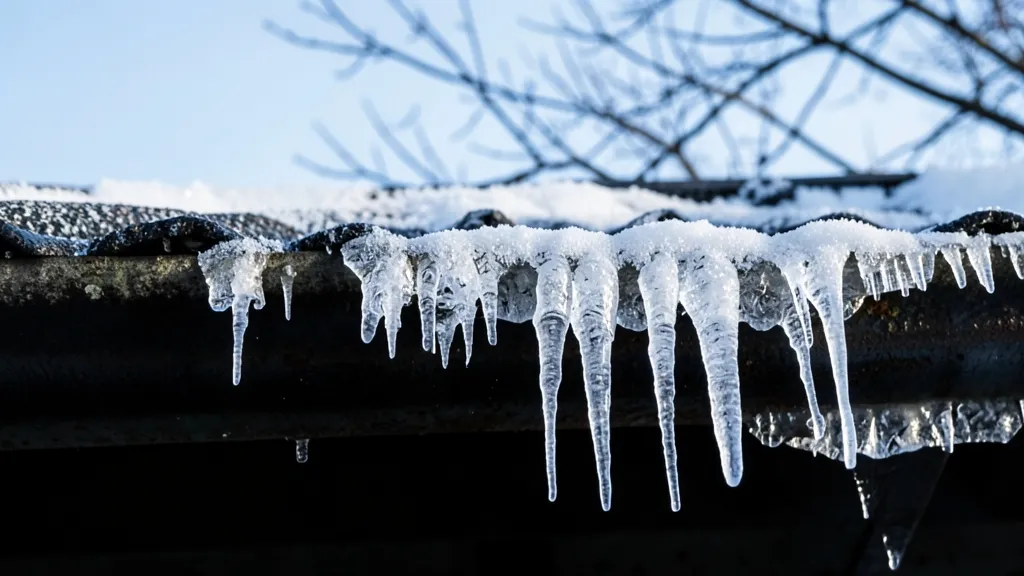
Spring and fall bring the worst of it: leaves clog downspouts, ice dams form in winter, and sudden thaws overwhelm systems not built for Kentucky’s swings.
The Direct Link Between Gutters and Basement Flooding
Clogged gutters overflow, sending water down the fascia and behind the siding. From there, it’s a straight shot to your foundation.
Downspouts that dump water too close to the house saturate the soil. In our clay, that water has nowhere to go but in.
Even clean gutters can fail if they’re improperly pitched. We often find sections sloping *toward* the house in Prospect homes, funneled right into the basement.
A single clogged downspout can channel hundreds of gallons onto one spot during a storm. That’s enough to crack even a solid foundation over time.
Gutter Materials: What Holds Up in Kentucky Weather
Aluminum gutters are lightweight and resist rust, but they dent under heavy debris or hail. We see this a lot after summer storms.
Copper lasts 50+ years and handles our temperature swings, but it’s pricey. Most homeowners in Louisville opt for mid-grade aluminum with a baked-enamel finish.
Vinyl gutters crack in extreme cold. If you’re in an older home with vinyl, we recommend upgrading before winter.
| Material | Lifespan | Durability vs. Storms | Maintenance |
|---|---|---|---|
| Aluminum | 20-30 years | Good (dents possible) | Low |
| Copper | 50-100 years | Excellent | Very Low |
| Galvanized Steel | 20-25 years | Fair (rust risk) | Moderate |
| Vinyl | 10-15 years | Poor (cracks in cold) | Low |
Critical Gutter Components for Flood Prevention
Downspout extensions are non-negotiable. We install them to discharge at least 5–10 feet from the foundation, often onto splash blocks.
Gutter guards reduce clogs but aren’t foolproof. Pine needles and maple samaras can still slip through. Regular inspections are key.
End caps and miters must be sealed with high-quality butyl tape. Cheap caulk fails in our freeze-thaw cycles.
In areas with heavy tree cover, like parts of Prospect, consider micro-mesh guards. They block even the smallest debris.
Signs Your Gutters Are Failing (And Your Basement Is Next)
Water stains on the fascia or soffit mean gutters are overflowing. Check during the next rain—you’ll see the problem instantly.
Erosion or trenches at the downspout base? That’s a sign water isn’t being directed far enough away.
Peeling paint or rust on the gutters themselves indicates trapped moisture. In Louisville’s humidity, this accelerates fast.
Red Flags to Watch For
- Gutters pulling away from the roof line
- Sagging or uneven sections
- Water spilling over the sides during rain
- Standing water or mildew near the foundation
Seasonal Gutter Maintenance for Louisville’s Climate
Spring: Clear winter debris and check for ice dam damage. Our late freezes can loosen fasteners.
Summer: Inspect for storm damage. High winds in June can bend downspouts or dislodge sections.
Fall: This is the big one. Maples, oaks, and sycamores shed heavily. We recommend a post-peak-foliage cleaning *and* a pre-winter check.
Winter: Ensure downspouts aren’t frozen shut. A heated cable can prevent ice dams in vulnerable valleys.
When to Call in the Pros
If your gutters are two stories up or you’re uncomfortable on a ladder, leave it to us. Safety first—especially on steep roofs in Middletown or St. Matthews.
Persistent clogs may mean your system is undersized. Older homes often have 4-inch gutters when 5- or 6-inch are needed for modern roof sizes.
If you’ve had basement water issues, we’ll inspect the entire system—gutters, downspouts, and grading—to find the root cause.
How to Inspect Your Gutters for Flood Risks
A 10-minute check can save you thousands in basement repairs.
- 1Check for Clogs
Use a garden hose to flush debris from the ground. If water backs up, there’s a blockage.
- 2Test the Slope
Pour water into the gutter. It should flow smoothly to the downspout, not pool.
- 3Inspect Downspouts
Ensure they’re securely attached and discharge away from the foundation. Use a plumber’s snake if clogged.
- 4Look for Damage
Check for rust, cracks, or separated seams. Pay special attention to corners and end caps.
- 5Assess the Ground
Walk the perimeter. Standing water or erosion near the foundation signals a drainage issue.
Frequently Asked Questions
Can gutter guards completely eliminate the need for cleaning?
No. Guards reduce debris buildup but don’t stop all clogs—especially from fine particles like pine pollen or shingle grit. We still recommend annual inspections.
How do I know if my gutters are the right size for my Louisville home?
A good rule: 5-inch gutters for roofs up to 5,000 sq ft, 6-inch for larger. If water overflows during average rain, your system may be undersized. Request a quote for a professional assessment.
What’s the most common gutter problem you see in older Louisville neighborhoods?
Improper slope and separated joints. Many homes in Shively and Jeffersontown have gutters installed decades ago that have shifted over time, sending water toward the house instead of away.
Do I need to clean gutters in winter?
Yes, but timing matters. Clear them in late fall *before* the first freeze, then check again after heavy snow. Ice dams can form if melting water can’t drain properly.
Will fixing my gutters stop all basement flooding?
It’s a critical step, but not always the only one. Poor grading, cracked foundations, or a failing sump pump can also cause flooding. We often work with basement waterproofing specialists in Prospect for a full solution.
How often should downspouts be cleaned in Louisville?
At least twice a year—spring and fall. If you have overhanging trees, consider a mid-summer cleaning too. Downspouts clog faster than horizontal gutters and are often overlooked.