Spring Gutter Cleaning Tips to Tackle Pollen and Seed Pods in Louisville
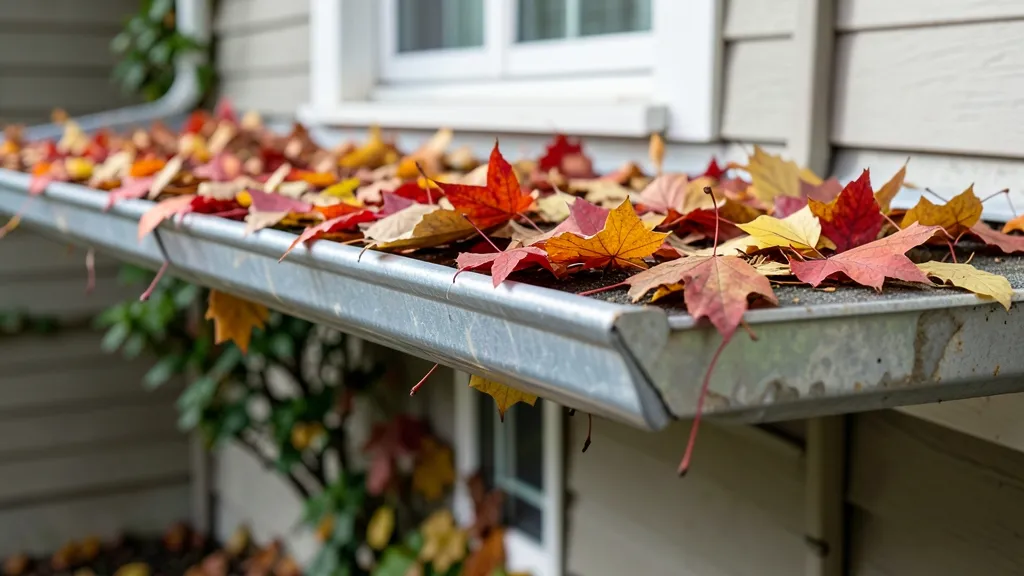
Spring in our area brings more than just blooms—it dumps pollen, seed pods, and fine debris straight into your gutters. Left unchecked, this gunk hardens into a cement-like sludge that blocks water flow and stresses your fascia. We’ll show you how to clear it safely and keep your system running through the rainy season.
Why Spring is the Worst Season for Gutters Here
Louisville’s spring unleashes a perfect storm: heavy pollen from oak and maple trees, helicopter seed pods from sweetgums, and sudden downpours. This combo clogs gutters faster than fall leaves.
Wet pollen acts like glue, binding shingle grit and seed pods into a mat that even a hard rain won’t break up. Once it dries, it’s nearly as tough as roofing cement.
Signs Your Gutters Are Clogged with Spring Debris
Water spilling over the sides during rain is the most obvious red flag. But look closer: sagging sections, stained fascia, or birds nesting in the troughs mean trouble.
Downspouts that drip but don’t drain are another giveaway. If water pools at the base of the downspout or erodes the soil beneath, pollen and pods are likely jamming the pipe.
Spot These Clues Early
- Overflowing water during light rain
- Visible sagging or pulling away from the roof
- Stains or mildew on fascia and soffit
- Downspouts that drip but don’t flush
- Piles of seed pods or pollen mats on the roof edge
Pollen vs. Seed Pods: What’s Worse for Your Gutters?
Pollen is fine and sticky, coating every surface and cementing other debris in place. It’s light but pervasive, often requiring a pressure washer to fully remove.
Seed pods, especially from sweetgum and maple trees, are bulkier. They create physical blockages that trap water and accelerate rust in metal gutters. Both demand different tools and techniques.
| Debris Type | Clogging Mechanism | Removal Challenge | Risk to Gutters |
|---|---|---|---|
| Pollen | Binds with moisture, forms a mat | Hard to dislodge when dry; often requires pressure washing | Accelerates corrosion, stains fascia |
| Seed Pods | Physical blockage, traps water | Can be scooped but may require flushing for full clearance | Causes sagging, promotes rust in metal sections |
| Shingle Grit + Pollen | Creates a cement-like sludge | Needs scraping and flushing; labor-intensive | Adds weight, stresses hangers and brackets |
Tools We Rely On for Spring Gutter Cleaning
A sturdy ladder with stabilizers is non-negotiable—aluminum gutters dent easily. We also use gutter scoops with plastic edges to avoid scratching, and a high-pressure nozzle for flushing.
For stubborn pollen sludge, a gutter cleaning wand with a 45-degree tip helps break up the mat without damaging the gutter bed. Always wear gloves; pollen and seed pods can irritate skin.
Never lean a ladder against the gutters themselves—this can bend or detach them. Always place it on a stable, level surface and use a ladder stabilizer.
Step-by-Step: Clearing Pollen and Seed Pods Safely
Start at the downspout and work away to avoid pushing debris into already-cleared sections. Remove large seed pods by hand or with a scoop, then flush the trough with water to clear finer material.
For pollen, a pressure washer on a low setting (1,200–1,500 PSI) works best. Avoid high pressure—it can damage gutters or blow debris under the shingles, causing leaks.
When to Call in the Pros for Spring Cleaning
If your home is two stories or taller, or if your gutters are heavily clogged with years of buildup, it’s safer to hire professionals. We have the equipment to handle steep roofs and fragile gutters without risk.
Pros also inspect for hidden issues like separated seams, rusted sections, or improper slope. In neighborhoods like Prospect or St. Matthews, where homes have complex rooflines, DIY cleaning can miss critical spots.
Check for loose hangers, separated seams, or rust spots while clearing debris. Catching these early can prevent costly repairs later.
Preventing Future Spring Clogs with Gutter Guards
Gutter guards aren’t foolproof, but the right type can drastically reduce pollen and seed pod buildup. Micromesh guards block even fine pollen, while reverse-curve systems shed larger debris like seed pods.
In areas like Jeffersontown or Middletown, where sweetgum trees are common, we often recommend a combination of micromesh and frequent inspections to ensure guards aren’t trapping debris on top.
| Guard Type | Best For | Maintenance Needs | Cost Factor |
|---|---|---|---|
| Micromesh | Pollen, fine debris | Low; occasional rinsing | Higher upfront |
| Reverse-Curve | Seed pods, leaves | Moderate; may need flushing | Mid-range |
| Screen | Large debris | High; can clog with fine particles | Lower upfront |
| Foam | Pollen, light debris | High; degrades over time | Lowest upfront |
Don’t Forget the Downspouts and Roof Inspection
Clearing the gutters is only half the job. Downspouts clogged with seed pods or pollen can cause water to back up and overflow, defeating the purpose. Use a plumber’s snake or pressure washer to flush them from the top and bottom.
A quick roof inspection can reveal loose shingles, damaged flashing, or gaps that let pollen and debris accumulate faster. In Shively or other older neighborhoods, this step can prevent leaks before they start.
How to Clean Gutters After a Heavy Pollen Season
Follow these steps to restore proper water flow and protect your home’s foundation.
- 1Gather Your Tools
You’ll need a ladder with stabilizers, gutter scoop, gloves, bucket, and a garden hose with a spray nozzle or pressure washer.
- 2Remove Large Debris
Start near a downspout and work away, scooping out seed pods, leaves, and any visible clumps of pollen. Deposit debris into a bucket to avoid mess.
- 3Flush the Gutters
Use a hose or pressure washer on a low setting to flush out remaining pollen and fine debris. Work from the far end toward the downspout.
- 4Clear the Downspouts
Insert a hose into the downspout from the top and flush with high pressure. If clogged, use a plumber’s snake to break up the blockage.
- 5Inspect for Damage
Check for sagging sections, rust, separated seams, or loose hangers. Note any issues for repair or replacement.
- 6Test the System
Run water through the gutters with a hose to ensure proper flow and no leaks. Adjust the slope if water pools in any section.
Frequently Asked Questions
How often should I clean my gutters in Louisville during spring?
In our climate, gutters should be cleaned at least twice in spring—once in early April to clear winter debris, and again in late May after the peak pollen and seed pod drop. Homes near wooded areas or with overhanging trees may need more frequent attention.
Can I use a leaf blower to clear pollen from my gutters?
A leaf blower can work for dry pollen and light debris, but it’s risky. The force can damage gutters or blow debris under shingles, causing leaks. It’s also ineffective for wet or compacted pollen sludge. A gutter cleaning wand or pressure washer is safer and more thorough.
Why do my gutters still overflow after cleaning?
Overflow after cleaning usually means the gutters are improperly sloped, the downspouts are clogged, or there’s hidden damage like separated seams. It could also signal that the gutters are undersized for your roof’s drainage needs. A professional inspection can pinpoint the issue.
Are gutter guards worth it for pollen in Louisville?
Yes, especially micromesh guards, which are designed to block fine particles like pollen while allowing water to flow through. They reduce cleaning frequency and extend the life of your gutters. However, they’re not maintenance-free—occasional inspections and rinsing are still needed.
How should you handle seed pods from sweetgum trees?
Sweetgum seed pods are tough and spiky, so they require a sturdy gutter scoop or gloved hands for removal. After clearing, flush the gutters thoroughly to remove any remaining fine debris. Consider installing reverse-curve or micromesh guards to prevent future buildup.
Can clogged gutters cause roof damage?
Absolutely. Clogged gutters trap water, which can seep under shingles, causing rot, leaks, and even structural damage to the roof deck. In humid climates like ours, this moisture also promotes mold and mildew growth on fascia and soffit.